How Water Intrusion Damages Foundations and Basements
Understanding how water intrusion damages foundations and basements helps homeowners find local contractors who can provide effective waterproofing solutions to protect their property.
Understanding how water intrusion damages foundations and basements is essential for property owners concerned about maintaining the integrity of their homes. Water can seep through cracks, porous materials, or poorly sealed areas, leading to structural weakening, mold growth, and increased repair costs over time. Recognizing these risks early can help prevent extensive damage, making it worthwhile to explore effective waterproofing solutions. Local service providers specializing in basement and foundation waterproofing are equipped to assess vulnerabilities and recommend practical measures to keep water out, ensuring the long-term stability of a property.
For property owners in the area, staying informed about water intrusion’s impact is a proactive step toward safeguarding their investment. Heavy rainfall, fluctuating groundwater levels, or poorly managed drainage systems can all contribute to water-related issues that compromise a building’s foundation. Connecting with experienced local contractors can provide tailored solutions to address these challenges, whether through sealing cracks, installing drainage systems, or applying waterproof coatings. Continuing to learn about how water intrusion damages foundations and basements helps homeowners make informed decisions about protecting their property and maintaining its value.
- Basement waterproofing - homeowners noticing signs of water seepage or dampness in their basements seek this work, with local contractors applying sealing and drainage solutions to prevent further damage.
- Foundation waterproofing - when cracks or water stains appear on foundation walls, service providers implement barriers and drainage systems to stop water intrusion and protect structural integrity.
- Basement drainage system installation - in areas prone to heavy rainfall or poor drainage, local pros install sump pumps and interior drainage to divert water away from the foundation.
- Foundation crack repair - visible cracks or shifting foundation walls prompt property owners to seek repair services that reinforce and seal vulnerable areas against water entry.
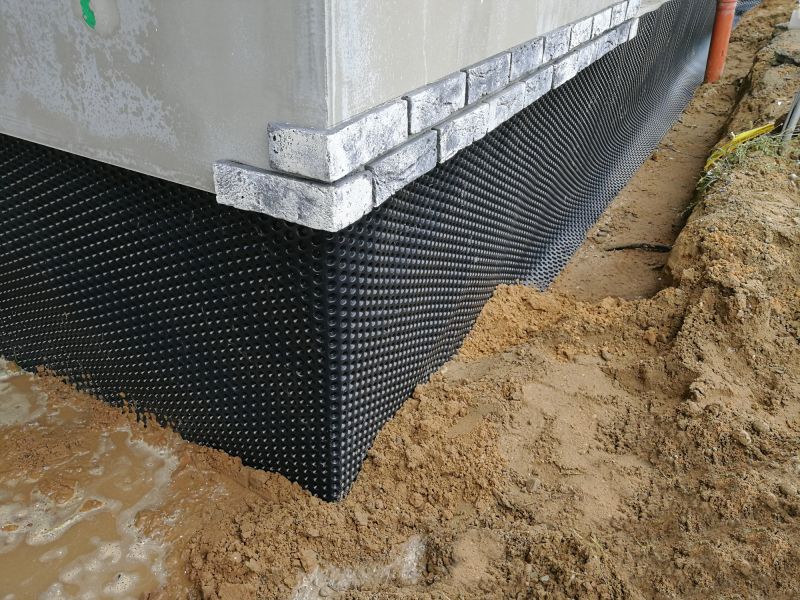
- Waterproofing membrane application - for homes with persistent basement leaks, service providers apply waterproof membranes to exterior or interior surfaces to create a barrier against water intrusion.
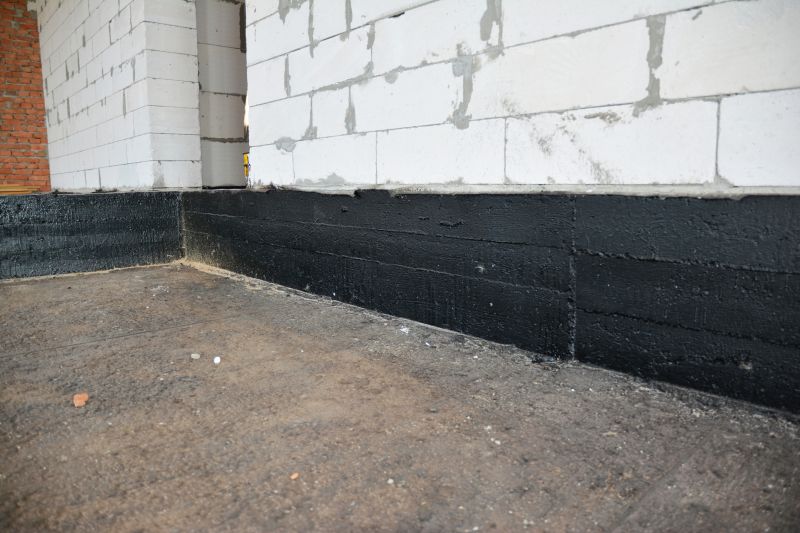
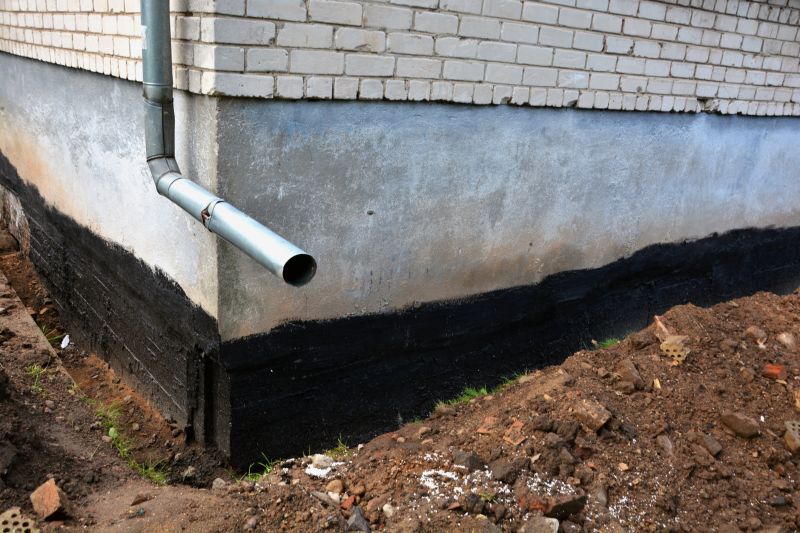
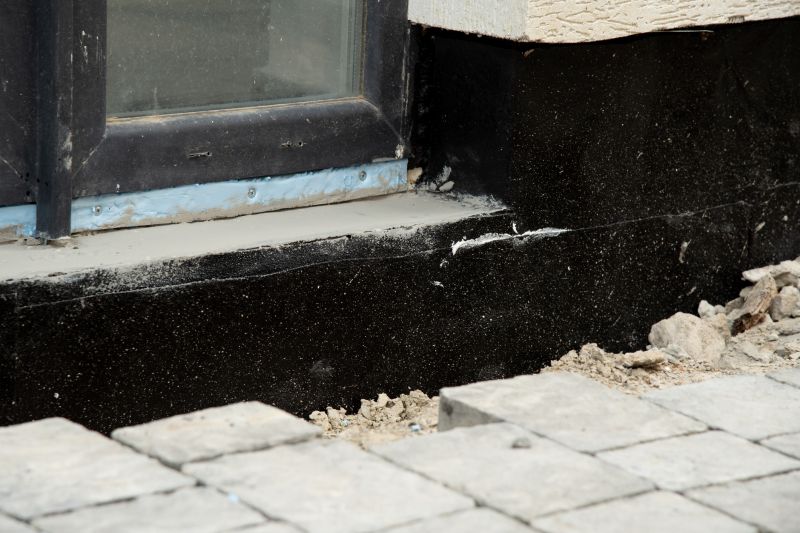
When people search for how water intrusion damages foundations and basements, they are often trying to understand the causes and consequences of water getting into their property’s lower levels. This concern typically arises after noticing signs like damp walls, musty odors, or visible water stains. Homeowners may also be exploring options for preventing future issues or addressing existing damage. The focus is usually on understanding how water can seep through cracks, joints, or porous materials, and what kinds of problems this can create over time. Recognizing these factors helps homeowners better understand the importance of proper waterproofing and the role that local contractors can play in protecting their property.
Water intrusion can lead to a variety of structural problems that threaten the integrity of a foundation or basement. When water seeps into these areas, it can cause concrete and masonry to weaken, crack, or deteriorate. Persistent moisture promotes mold growth, which can impact indoor air quality and pose health risks. In addition, water damage can lead to uneven settling or shifting of the foundation, resulting in cracks or structural instability. For homeowners planning repairs or improvements, understanding these potential issues underscores the importance of effective waterproofing solutions. This is where local basement and foundation waterproofing service providers come into play, offering specialized methods to prevent water from entering and causing damage.
The types of properties most affected by water intrusion are typically those with below-grade spaces, such as basements or crawl spaces, especially in areas with high water tables or heavy rainfall. Residential homes are common targets, particularly older structures that may lack modern waterproofing features. Commercial buildings with underground levels or parking garages can also experience similar issues. The vulnerability of these properties depends on factors like soil conditions, drainage systems, and construction quality. Homeowners with properties in flood-prone or poorly drained areas often find themselves searching for solutions to protect their investment. Local contractors who specialize in waterproofing can assess these properties and recommend tailored strategies to keep water out and maintain structural stability.
Understanding how water intrusion damages foundations and basements helps homeowners connect the dots between the symptoms they observe and the need for professional intervention. Whether it’s sealing cracks, installing drainage systems, or applying waterproof coatings, these projects are essential for long-term property health. Local service providers with expertise in basement and foundation waterproofing are equipped to evaluate the specific conditions of each property and recommend appropriate measures. By addressing water intrusion early, homeowners can prevent costly repairs and preserve the structural integrity of their homes or commercial spaces. Connecting with experienced local contractors ensures that the right solutions are implemented effectively, safeguarding the property against ongoing water-related issues.
Foundation Repair Projects - these projects involve stabilizing and restoring damaged foundations, often requiring waterproofing solutions to prevent water intrusion and further deterioration.
Basement Waterproofing Installations - local contractors specializing in basement waterproofing focus on sealing and draining systems that protect against water entry and damage caused by water intrusion.
Drainage System Installations - installing proper exterior and interior drainage systems helps divert water away from foundations, reducing the risk of water-related damage to basements and structural supports.
Crawl Space Encapsulation - this process involves sealing and insulating crawl spaces to prevent moisture buildup and water intrusion that can lead to foundation issues and basement damage.
Retaining Wall Construction - building retaining walls requires planning for water management to prevent water from seeping into foundations and causing structural problems.
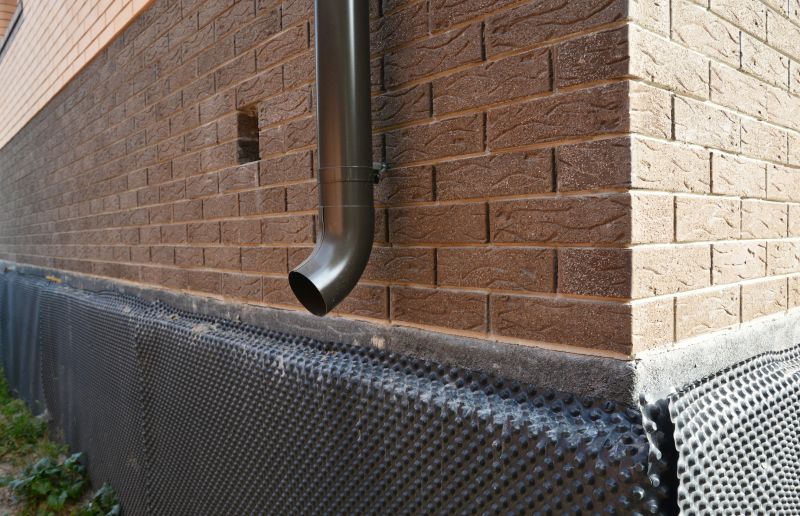
Waterproofing Membrane Applications - applying waterproof membranes to foundations and basement walls is a common service that helps protect structures from water intrusion and related damage.
When evaluating contractors for basement and foundation waterproofing, it is important to consider their experience with similar projects. Homeowners should seek out service providers who have a proven track record of handling water intrusion issues in foundations and basements similar to their own. This can help ensure that the contractor understands the common causes and effective solutions for water damage, which can vary depending on factors like soil conditions, foundation type, and local climate. Asking about past projects or requesting references related to water intrusion repairs can provide insight into a contractor’s familiarity with the specific challenges associated with water damage and their ability to deliver reliable results.
Clear written expectations are essential when comparing local contractors for waterproofing services. Homeowners should look for detailed proposals that outline the scope of work, materials to be used, and the methods planned for addressing water intrusion. This transparency helps prevent misunderstandings and ensures that both parties have a shared understanding of what the project entails. Contractors who provide thorough, easy-to-understand documentation are often better communicators and more likely to deliver satisfactory results. Clarifying expectations early on can also help identify any gaps in knowledge or experience that might impact the effectiveness of the waterproofing solution.
Reputable references and good communication are key factors in choosing the right service provider for foundation and basement waterproofing. Homeowners should seek out local contractors who can provide references from previous clients with similar water intrusion issues. Speaking with past customers can reveal how well the contractor managed the project, their level of professionalism, and the durability of the solutions implemented. Additionally, a contractor’s responsiveness and clarity in communication during the inquiry process can indicate their commitment to customer service and their ability to effectively coordinate the project. Selecting a provider with these qualities can contribute to a smoother experience and more dependable results in protecting the home from water damage.
Property owners often search for how water intrusion damages foundations and basements when they are planning practical projects around their homes and businesses. Local pros provide Basement and Foundation Waterproofing services for everyday jobs and straightforward project options.
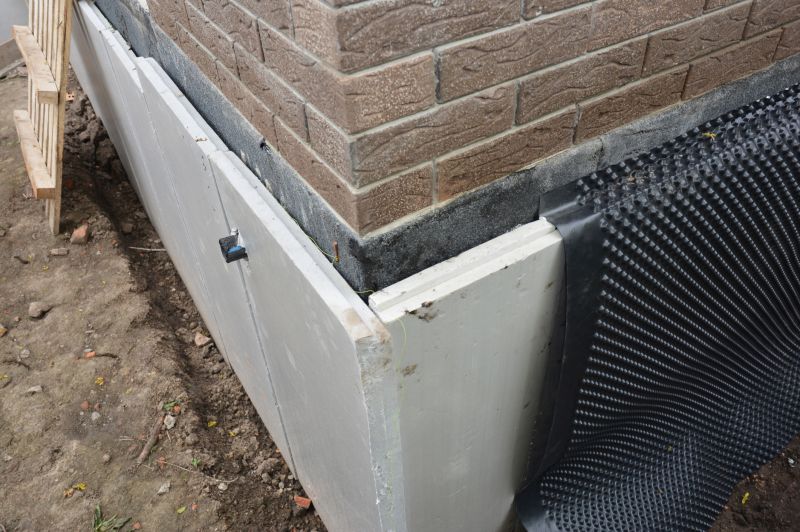
Water intrusion is a common concern for property owners dealing with basements and foundations in the area. Heavy rains, melting snow, or even minor leaks can allow moisture to seep through cracks in the foundation walls or floors, leading to water accumulation inside the basement. Over time, this persistent moisture can cause structural issues, including weakened walls and uneven settling, which may compromise the stability of the entire property. Many homeowners look into waterproofing services to prevent these problems, especially if they notice signs like dampness, mold growth, or musty odors developing in their basements.
Local contractors specializing in basement and foundation waterproofing offer solutions to protect properties from ongoing water damage. These professionals can assess the specific causes of water intrusion and recommend effective measures such as sealing cracks, installing drainage systems, or applying waterproof coatings. Property owners often seek these services to preserve the integrity of their homes, avoid costly repairs, and maintain a dry, safe living environment. Connecting with experienced local service providers can help ensure that water intrusion issues are addressed promptly and effectively.
How does water intrusion damage foundations and basements? Water intrusion can weaken foundation walls, cause cracks, and lead to settling or shifting of the structure. In basements, it often results in flooding, mold growth, and deterioration of building materials, compromising safety and stability.
What are common signs of water damage caused by intrusion? Signs include damp or wet basement walls, mold or mildew growth, musty odors, efflorescence on concrete surfaces, and visible cracks or water stains on foundation walls.
How do waterproofing services help prevent water intrusion damage? Waterproofing services involve sealing walls, installing drainage systems, and applying protective coatings to prevent water from penetrating the foundation or basement, thereby reducing the risk of damage.
Why is it important to address water intrusion early? Early intervention can prevent extensive structural damage, reduce costly repairs, and prevent mold and mildew growth that can affect indoor air quality and health.
What types of waterproofing solutions do local contractors typically offer? Local contractors often provide interior and exterior waterproofing, sump pump installation, drainage system setup, and sealing of cracks or joints to protect foundations and basements from water intrusion.
Identify water entry points - property owners can assess their property for cracks and gaps that allow water to seep into foundations and basements, enabling local contractors to address these vulnerabilities.
Improve drainage systems - installing or upgrading gutters, downspouts, and drainage channels can help redirect water away from the foundation, reducing the risk of water intrusion damage.
Seal foundation surfaces - applying waterproof sealants to foundation walls and floors can create a barrier against water penetration, which local service providers can help implement effectively.
Plan for proper grading - ensuring the land around the property slopes away from the foundation can prevent water pooling and reduce water intrusion risks, with guidance from experienced waterproofing specialists.
If you are thinking about how water intrusion damages foundations and basements for a property, this guide is meant to help you understand this topic, the typical project types, and how different options might fit your plans.
When you are ready, you can use the quote form on this page to share a few details about your project. From there, local pros can review the basics and follow up with options that match what you have in mind.