
Top Waterproofing Products Every Homeowner Should Know
Discover essential waterproofing solutions designed to protect your property from water damage and ensure long-lasting durability.
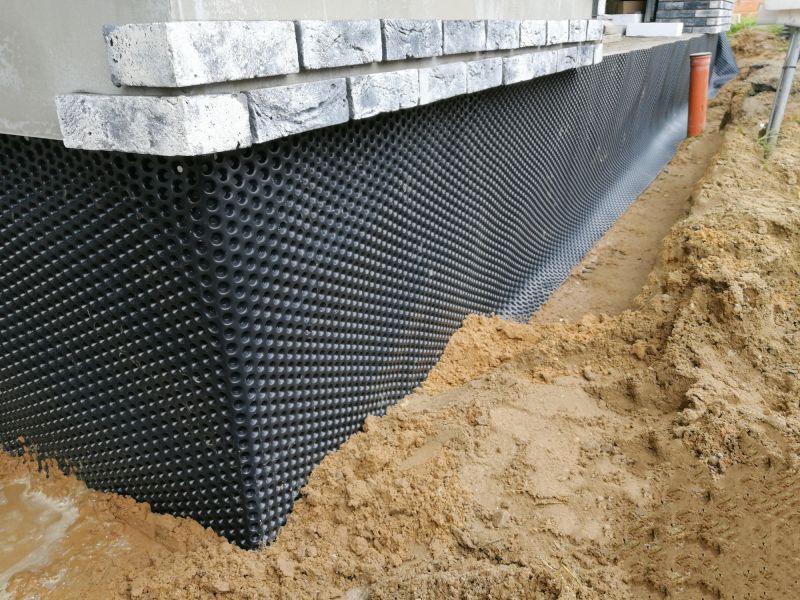 Waterproofing products are essential solutions for protecting structures, foundations, roofs, and various surfaces from water intrusion and damage. These products come in a variety of formulations to suit different needs, including liquids, membranes, sealants, and coatings. Proper selection and application of waterproofing materials can significantly enhance the longevity and integrity of buildings and infrastructure. Whether for new construction projects or repairs, understanding the different types of waterproofing products available is key to making informed decisions.
Top Overall Option
Comprehensive Waterproofing System
A versatile and well-rounded waterproofing system that combines liquid membranes, sealants, and protective coatings, offering adaptable solutions for various surfaces and conditions. Designed for ease of application and durability, it provides a reliable barrier against water intrusion in both residential and commercial settings.
Types of Products For Waterproofings
Liquid Waterproofing Membranes
Flexible liquid coatings that form seamless barriers on surfaces, suitable for roofs, basements, and balconies.
Bituminous Coatings
Asphalt-based coatings providing durable waterproofing for foundations and underground structures.
Polyurethane Coatings
High-performance coatings offering excellent elasticity and chemical resistance for roofs and decks.
Rubberized Sealants
Flexible sealants designed to fill cracks and joints, preventing water infiltration.
Waterproofing Membrane Sheets
Pre-formed sheets made from rubber or plastic that are adhered to surfaces for long-lasting waterproofing.
Cementitious Waterproof Coatings
Ready-mixed cement-based products suitable for basement walls and water tanks.
Liquid Rubber Coatings
Eco-friendly, liquid rubber options for roofs, decks, and pond linings.
Waterproofing Paints
Specialized paints that provide a waterproof layer on walls and ceilings.
Spray-On Waterproofing
Spray-applied coatings that offer seamless coverage for roofs and concrete surfaces.
Crack Fillers and Sealants
Products designed specifically to fill and seal cracks in concrete and masonry.
Waterproofing Tapes
Self-adhesive tapes used for quick sealing of joints and small cracks.
Hydrophobic Sealants
Sealants that repel water and prevent absorption into porous surfaces.
Foundation Waterproofing Systems
Complete solutions for waterproofing building foundations, often combining membranes and coatings.
Roof Coatings
Specialized coatings designed to reflect sunlight and prevent water penetration on roofs.
Waterproofing Additives
Additives mixed into concrete or mortar to enhance water resistance.
Popular Choices
Widely used for their seamless application and adaptability on various surfaces.
Commonly chosen for their durability in underground and foundation waterproofing.
Popular for their elasticity and resistance to weathering on roofs and decks.
Favored for their ease of installation and long-term performance in foundation projects.
Preferred for basement walls and water tanks due to their compatibility with concrete.
Chosen for quick coverage and seamless protection on large surfaces.
Essential for sealing small cracks and joints to prevent water ingress.
Used for interior and exterior walls to add an extra layer of water resistance.
Effective for porous surfaces where water repellency is needed.
Popular for protecting roofing surfaces from water and UV damage.
Useful for quick repairs and sealing joints in various construction applications.
Comprehensive solutions frequently selected for their robustness in foundation protection.
Increasingly favored for their eco-friendliness and flexibility.
In residential settings, waterproofing is often applied to basements, crawl spaces, and rooftops to prevent leaks and moisture buildup. Commercial and industrial projects may require more specialized products to address larger surface areas or unique environmental conditions. Many waterproofing solutions are designed to be flexible and durable, accommodating structural movements and weather-related stresses.
Choosing the right waterproofing product involves considering factors such as surface compatibility, ease of application, drying time, and resistance to environmental elements. Proper surface preparation and adherence to manufacturer instructions are crucial to achieving optimal results. Regular maintenance and inspections can help identify potential issues early, ensuring ongoing protection against water damage.
Overall, the market offers a broad spectrum of waterproofing options, making it possible to find suitable products for virtually any application. From simple sealants to advanced membrane systems, the right choice depends on specific project requirements, budget, and environmental conditions. Consulting with professionals or experienced suppliers can further assist in selecting the most appropriate waterproofing solutions for your needs.
Key Buying Considerations
- Identify the specific surface and environmental conditions to choose appropriate waterproofing products.
- Consider the compatibility of the product with existing materials and surfaces.
- Evaluate the ease of application, including tools required and drying or curing times.
- Determine the longevity and durability of the product under local weather conditions.
- Assess the flexibility of the product to accommodate structural movements or expansion.
- Review the recommended surface preparation procedures for optimal adhesion.
- Check for any specific safety or ventilation requirements during application.
- Understand the coverage area to estimate the quantity needed accurately.
- Look into the product’s resistance to UV rays, chemicals, and temperature fluctuations.
- Consider whether a single product or a combination of products will best serve your project.
- Evaluate the ease of maintenance and potential need for reapplication over time.
- Research any warranties or guarantees offered by the manufacturer.
- Factor in budget constraints while balancing quality and performance.
- Consult with professionals or suppliers for recommendations tailored to your project.
- Ensure compliance with local building codes and regulations related to waterproofing.